

Need help with housing for your family? Start here.
If your family has children and you’re facing a housing or homeless crisis, one phone call connects you to the help in your area.


-
if you or your children are in danger right now, call 911. For a mental-health crisis, call the Crisis Response Network at 602-222-9444. For Phoenix non-emergency police, call 602-262-6151.
-
24/7 support: National DV Hotline 1-800-799-7233. In Maricopa County, current shelter options are at ArizonaSurvivors.org.
-
Free cooling & water sites are open through Sept 30. Find one at hrn.azmag.gov or call 2-1-1.
2-1-1 is the fastest, easiest way to reach every family service in the county — by phone, from anywhere. You do not need to drive to an office unless 2-1-1 tells you to. Visit 211arizona.org/or dial 877-211-8661. 211 is available 7 days a week.
Coordinated Access Point Locations
The Family Housing Hub is one of Maricopa County’s Coordinated Access Points for all families in Maricopa County with children under 18 years old, who are in need of homeless services, including emergency shelter.
If you call 2-1-1, you do NOT need to visit a physical location unless directly instructed to.
If you’ve been directed to visit a coordinated entry location, or are unable to call 2-1-1 for support, you can visit one of the following locations.
All locations offer the same services, so you only need to visit one!

Before you call
All adults in your household who need shelter must be on the call and take part in the screening.
Be ready to share where you’re staying tonight and whether it’s safe.
Have names and ages of everyone in your family.
It’s free, and there’s no cost to be added to the waitlist.

What a specialist does
Listens, and works with you to build a housing plan.
Looks first for the fastest safe way out of the crisis.
Connects you to resources for income, housing, and other needs.
Connects you to services — including shelter — based on need and what’s open.
The following organizations are part of Maricopa County’s coordinated entry system for families and participating shelters.

Coordinated Entry
-
Call 2-1-1 to get the best resources for your family, which may include options to prevent homelessness.
Or visit 211arizona.org or dial 877-211-8661.
211 phone support is available 7 days a week from 9am - 7pm.
-
Phone: 602-346-3361
-
The city of Tempe operates a mobile outreach team that can support families they meet in the community.
Tempe residents can contact Care Hope Line at 480-350-8004 to get connected to the Mobile Outreach Team.
-
If you’ve been directed to coordinated entry and are a Mesa resident, you can also visit the Family Housing Hub at MesaCAN.
Family Housing Hub at MesaCAN
635 E. Broadway Rd.
Mesa, AZ 85204Office Hours:
Tuesday: 9:00 AM - 3:00 PMMust arrive by posted closing time to be seen that day.
-
If you’ve been directed to coordinated entry and are a Chandler resident, you can also visit the Neighborhood Resources Department.
Neighborhood Resources Department
235 S. Arizona Ave.
Chandler, AZ 85225Phone: 480-782-4349
Email: homeless.outreach@chandleraz.govOffice Hours:
Monday - Friday: 8:00 AM - 5:00 PMMust arrive by posted closing time to be seen that day.
-
UMOM Supportive Services For Veteran Families
Phone: 602-466-1655CRRC - Community Resource Referral Center
1500 E. Thomas Rd.
Phoenix, AZ 85014Office Hours:
Monday: 9:00 AM - 12:00 PM
Thursday: 12:00 PM - 3:00 PMMust arrive by posted closing time to be seen that day.
Participating Shelters
CASS: Vista Colina
Salvation Army: Phoenix Emergency Shelter
UMOM New Day Centers
St Vincent de Paul

Terms you might hear
You don’t need to know these to get help — but here’s what they mean when staff use them.
-
One shared system for the whole county, so every family is assessed the same way — no matter which door they knock on.
-
A conversation to see if your crisis can be solved safely without shelter. Often the fastest way out.
-
A family who finds a safe place to land on their own — sometimes with a little one-time help.
-
The list families wait on for a shelter spot. It’s ordered by need, not by date.
-
Short-term help with rent and deposits in a place you choose, while your family gets back on its feet.
-
Short for the Family Housing Hub — the family front door to the system.
-
A separate program run by city housing departments — not by UMOM or the Hub. You apply to it directly when its waitlist opens.
-
Long-term housing with support services, for families with the highest needs — usually including a disability.
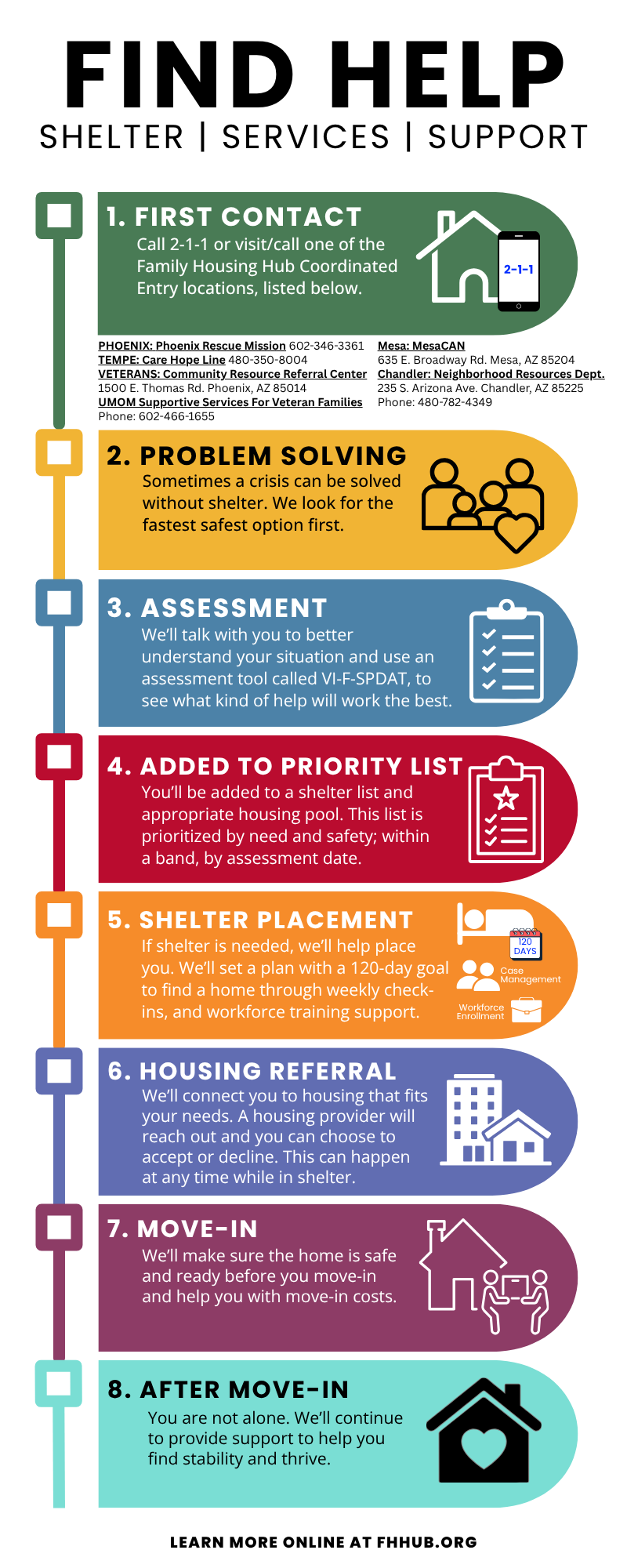
The Process: What Happens After You Call
No one “picks” families, and it’s a process — not a single yes or no. Here’s the path most families follow, step by step.
HOW FAMILIES
ARE MATCHED
What we look at — and why it’s not first-come, first-served
We don’t pick favorites, and getting housed isn’t about who called the most. When we look at your situation, we pay attention to things like: where your family is sleeping tonight and whether it’s safe, whether you’re about to lose where you’re staying, how many people are in your family and what they need, and safety concerns like fleeing violence. Families with nowhere safe to sleep are seen as the highest need.
The most important things you can do: answer honestly, and stay reachable.
HOW TO STAY READY
While you wait…
The wait time can be hard. How long depends on your family’s needs, your safety, and how many spots open — not on how many times you call.
Keep your phone on and reachable.
Answer when a shelter calls — even from a number you don’t recognize.
Tell us if your situation changes.
If we can’t reach you for a while, your spot may pause — call 2-1-1 any time to become active again.
What if there are no available spots?
Even on a day when no shelter spot is open, you should never leave empty-handed.
> We can connect you to food, work, and utility help.
> We’ll explain your next step clearly.
> In extreme heat, we’ll point you to the nearest cooling site.

Explore Community Resources
Get the help and assistance you need from additional community resources.
Food, Utilities, Healthcare, Jobs, Legal Services, IDs & Documents and more.







What’s the difference?
These names get used as if they’re the same thing.
They’re not — and knowing the difference helps you know who does what.

The phone line that connects you
2-1-1 (run by 211 Arizona) is how families reach the system. It’s a connector — not a shelter, and not a single agency.
2-1-1

The family “front door”
The Family Housing Hub listens to your situation, assesses your needs, and refers your family. It serves all of Maricopa County.
The Hub
The nonprofit that runs the Hub
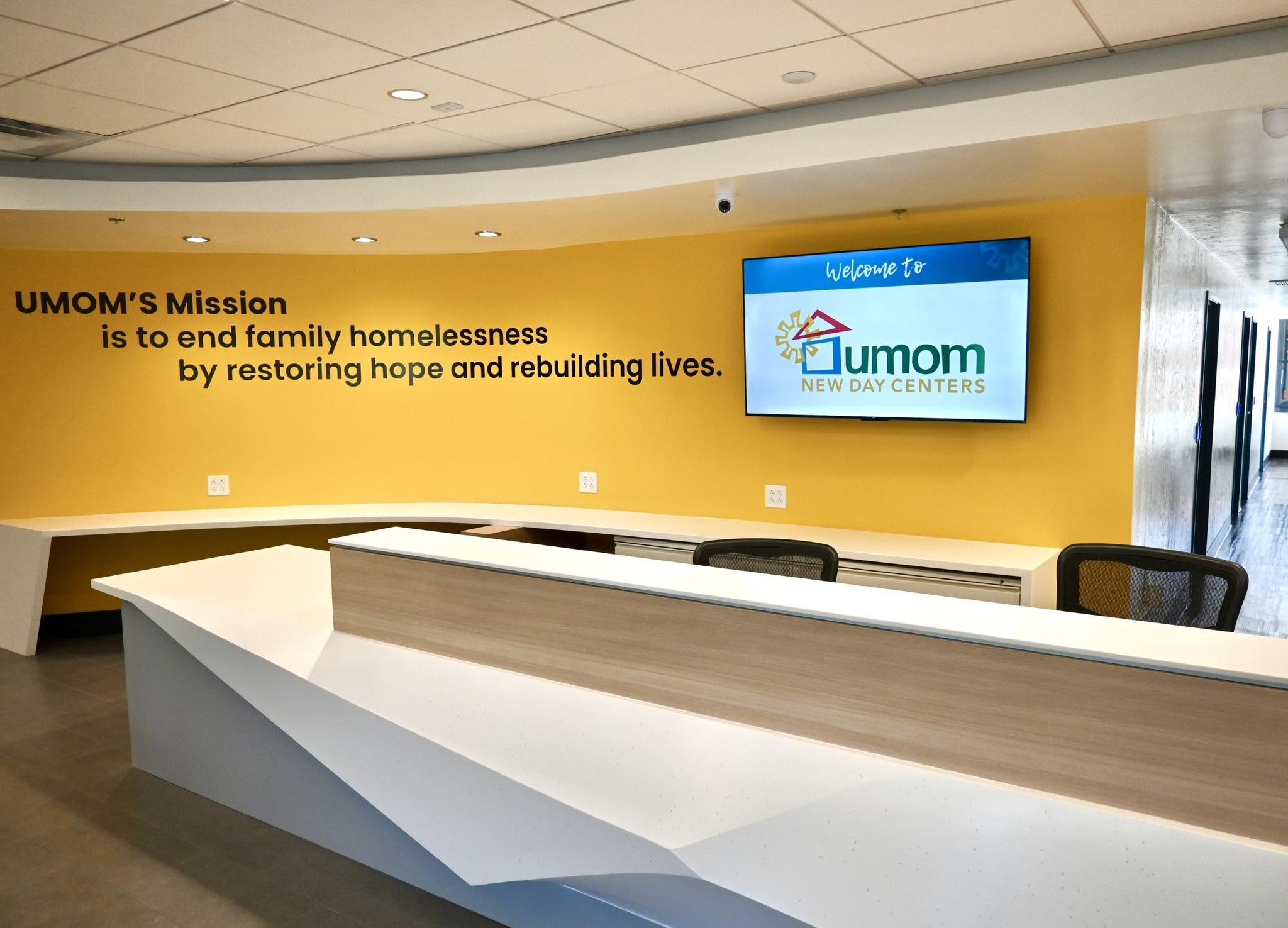
UMOM operates the Hub on behalf of the regional system. UMOM also runs some shelters — but the Hub works for the whole county, not just UMOM.
UMOM
Separate organizations
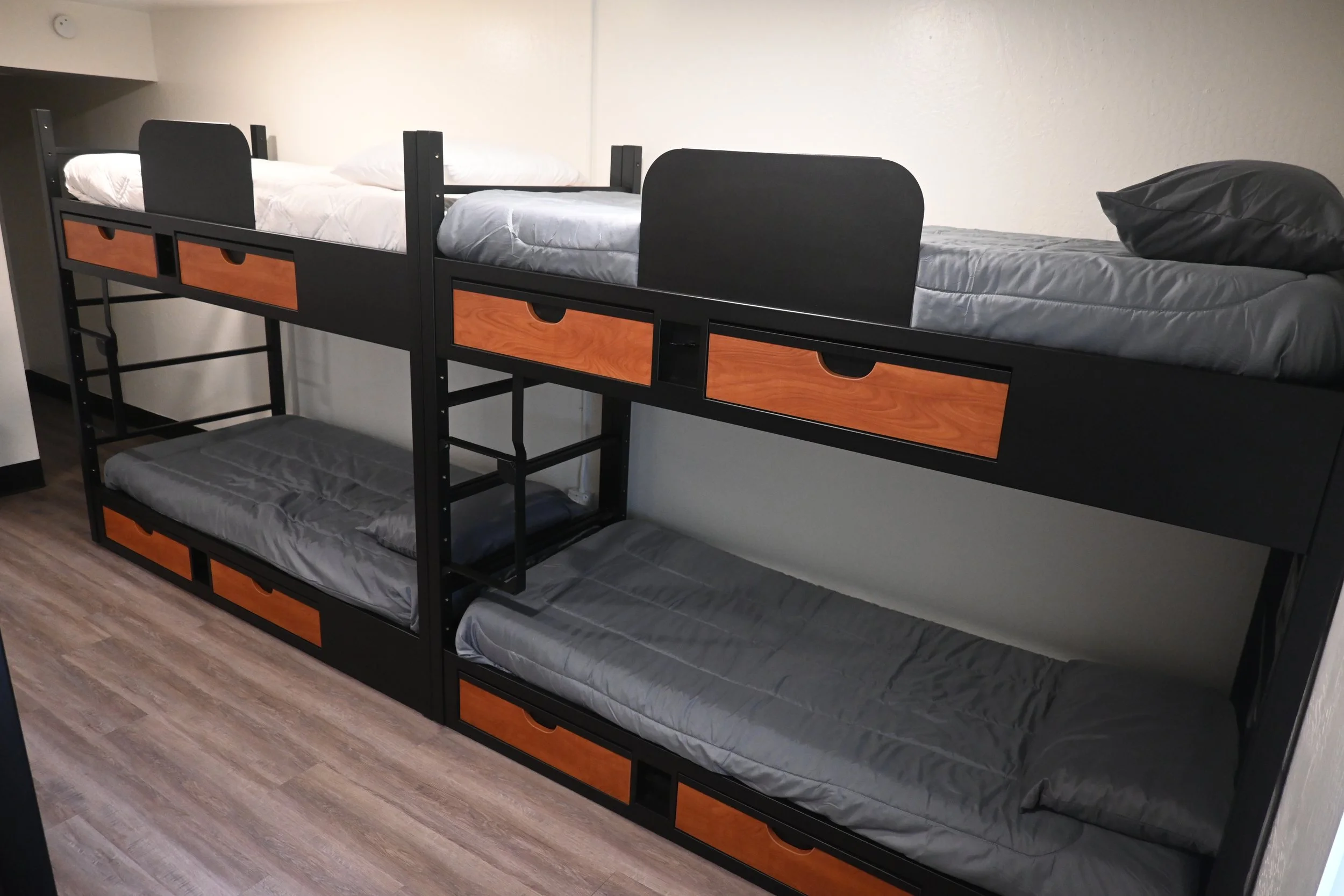
The shelters and housing programs are run by different groups. Being referred by the Hub is not the same as being accepted by one specific shelter.
The Shelters